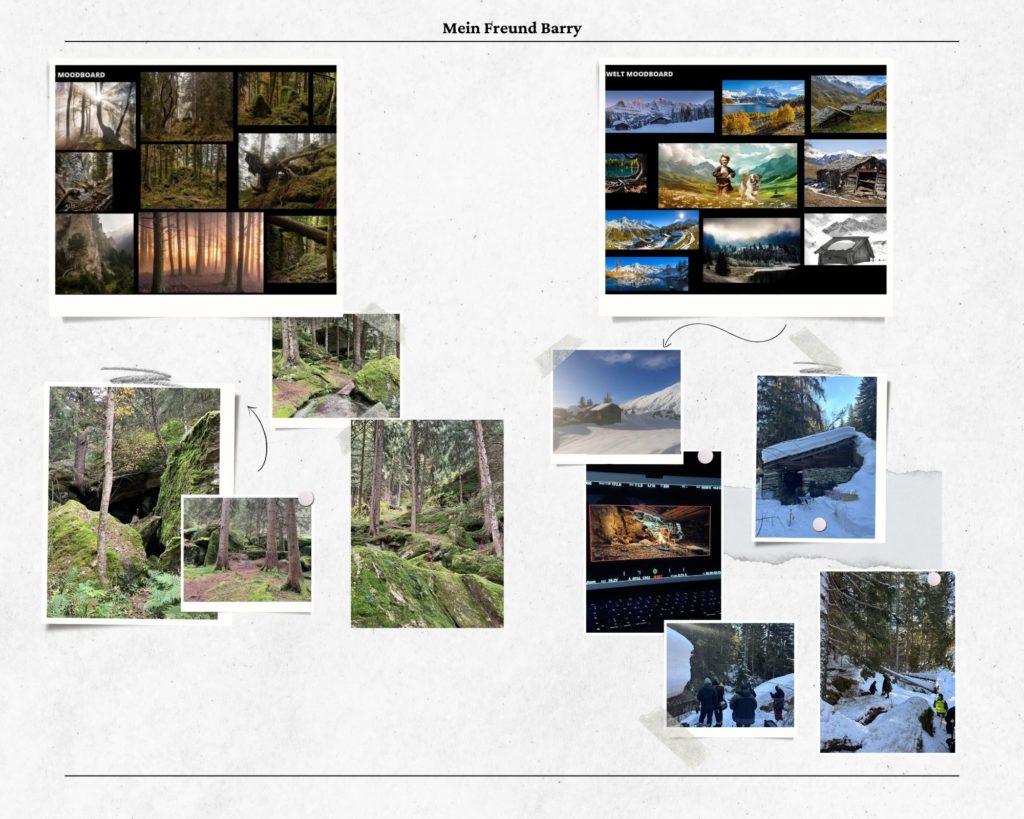
Even before the first day of shooting, a production begins with an essential question: where does the story take place? This is where scouting comes in. It is a crucial phase that influences the aesthetics, the budget, the schedule, and the overall feasibility of the project.
For producers and directors, good scouting is not just about finding a visually appealing location. It is about identifying a setting that works artistically, logistically, and administratively. It is also a practical tool for productions, as it allows them to assess access routes, parking facilities, safety conditions, technical constraints, and any permits that may need to be obtained. Successful scouting therefore saves time on set and consequently money.
How can a film commission play a decisive role in location scouting?
It is precisely during this phase that a film commission becomes a strategic partner. With in-depth knowledge of its territory, it can propose locations suited to the script, organize efficient scouting visits, and facilitate any necessary permits. Scouting is not just about showing locations; it is above all about supporting productions in their decision-making process by combining local expertise with administrative know-how. This support from the film commission saves valuable time for crews and indirectly reduces costs.
A territory does not spontaneously or automatically become a filming location. It becomes one through careful preparation, close collaboration, and efficient, structured scouting. By supporting this key stage, film commissions play an essential role: transforming a territory’s potential into concrete opportunities for productions.